

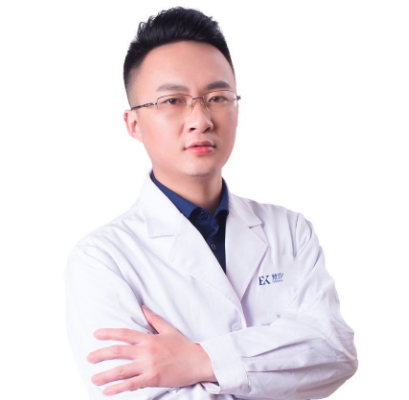
Peng Weifeng_High-Difficulty Nose Revision Expert at Changsha Fanxi Medical Aesthetic Clinic (彭炜锋)
Biography
Areas of Expertise
Peng Weifeng works at Changsha Fanxi Medical Aesthetic Clinic. He specializes in Wei-style bionic rhinoplasty and complex nasal revision, with strong technical skills and aesthetic judgment.
Biography
RPG Rhinoplasty Member
Member of the Cosmetology Society of the Chinese Medical Doctor Association
Member of the Medical Aesthetics and Cosmetology Society of the Chinese Medical Association
Global Designated Injecting Physician for Allergan, USA
Certified Injecting Physician for Haiwei Hyaluronic Acid in the Greater China Region
Peng Weifeng: He specializes in various rhinoplasty procedures, including nasal septum surgery, rib cartilage rhinoplasty, Dallas rhinoplasty, and other highly complex surgeries. Director Peng Weifeng not only has a high level of talent in the field of rhinoplasty but is also skilled at summarizing experience and actively innovating. In response to the common practice in rhinoplasty of harvesting bilateral ear cartilage, which causes patients to have multiple wounds from a single surgery, he devoted himself to research and successfully developed the unilateral ear cartilage nasal tip framework construction technique.
The unilateral ear cartilage nasal tip framework construction technique pioneered by Director Peng Weifeng can not only effectively reduce surgical trauma and accelerate recovery but also better stabilize long-term results. It represents another milestone in rhinoplasty techniques.
Wei-style biomimetic rhinoplasty is suitable for primary rhinoplasty, revision rhinoplasty with not very severe previous damage, and revision after injectable rhinoplasty. If cartilage development is too poor or the cartilage has already been completely harvested, or if nasal deformity is caused by multiple rhinoplasties, autologous rib cartilage rhinoplasty is still recommended.
To date, Director Peng Weifeng has successfully performed hundreds of rhinoplasty surgeries. While meeting patients' aesthetic needs, the long-term results allow patients to make a pig-nose expression and achieve maximum free pinching and kneading, as if natural, while also avoiding the risk of the implant sagging and pressing against the nasal tip. Director Peng Weifeng states that he places great importance on preoperative consultation and design. Based on the aesthetic goals and baseline nasal conditions of the person seeking beauty, and under the premise of ensuring surgical safety, he designs an ideal nasal shape for the patient.